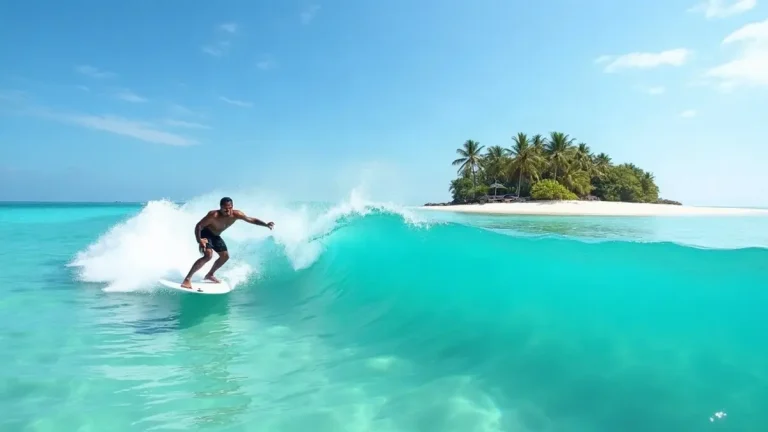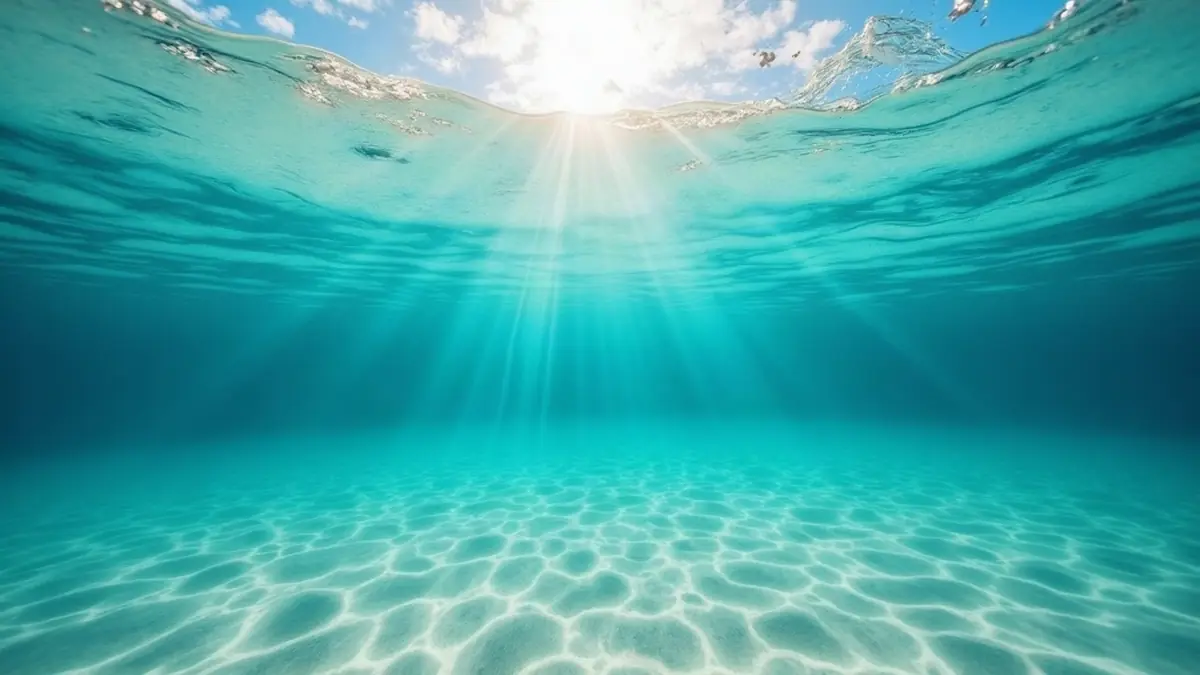
What is the water temperature in the Mentawai Islands? It stays between about 27 and 29°C all year, occasionally touching 30°C on calm, sunny days. That is warm enough to surf, swim and snorkel in boardshorts or a swimsuit. Most visitors never need a wetsuit; a rash vest, reef boots and strong sun protection matter far more.
Planning this? Send the travel desk your dates and group size for practical next steps.
Ask on WhatsAppAsk anyone who has surfed the Mentawais what they packed and you rarely hear the word “wetsuit”. The islands lie close to the equator in the eastern Indian Ocean, and the sea around them is some of the most consistently warm surf water on the planet. That changes how you pack, how long you can stay in the water, and what you actually need to protect yourself from. The short version: the danger is the sun and the reef, not the cold.
Below we answer the question “what is the water temperature in the Mentawai Islands?” month by month, then look at what to wear in the water, how the temperature affects reefs and marine life, and what else to plan for on a warm-water trip.
What is the water temperature in the Mentawai Islands by month?
Sea surface temperatures in the Mentawais vary by only a degree or two over the year. The slight dip from July to September comes as the southeast trade winds stir the surface and mix in a little cooler water. The figures below are typical ranges reported by surf forecasters and local operators. A thermometer on a given day may read slightly higher in a sheltered lagoon or slightly lower after a big swell.
| Month | Typical sea temperature | What to wear in the water |
|---|---|---|
| January | 28 to 29°C | Boardshorts or swimsuit, rash vest for sun |
| February | 28 to 29°C | Boardshorts or swimsuit, rash vest for sun |
| March | 28 to 29°C | Boardshorts or swimsuit, rash vest for sun |
| April | 27 to 29°C | Boardshorts, long-sleeve rash vest |
| May | 28 to 29°C | Boardshorts, long-sleeve rash vest |
| June | 28 to 29°C | Boardshorts, long-sleeve rash vest |
| July | 27 to 29°C | Boardshorts, rash vest; thin top if you feel the cold |
| August | 27 to 29°C | Boardshorts, rash vest; thin top if you feel the cold |
| September | 27 to 29°C | Boardshorts, rash vest |
| October | 28 to 29°C | Boardshorts or swimsuit, rash vest |
| November | 28 to 29°C | Boardshorts or swimsuit, rash vest |
| December | 28 to 29°C | Boardshorts or swimsuit, rash vest |
For comparison, that is warmer than most of the Mediterranean in August and similar to the Maldives. Air temperatures sit around 30 to 32°C by day, so getting out of the water rarely feels cold either, unless a squall rolls through.
Do you need a wetsuit in the Mentawais?
For the vast majority of people, no. Surfers on Mentawai charters and land camps spend four to six hours a day in the water, sometimes more, in boardshorts or a bikini. A few situations where some neoprene helps:
- Long dawn-to-dusk sessions. Even 27°C water draws heat out over many hours. Some surfers who feel the cold like a 1 mm neoprene vest or a thin long-sleeve top for the last session of the day.
- Rash and reef protection. A thin spring suit or neoprene top gives a little cover if you fall on shallow reef. It is no substitute for good judgement, but it can reduce scrapes.
- Windy, overcast days. When rain squalls and wind combine, a light top keeps you comfortable between waves.
If you pack one item for the water beyond your swimwear, make it a long-sleeve rash vest with a high UV rating. Most sunburn on surf trips happens on the back of the neck, shoulders and the backs of the legs while paddling.
Sun, reef and the real warm-water risks
Warm water brings its own planning list. The equatorial sun is strong year round, and reflection off the water doubles the exposure. Reef-safe zinc sunscreen, a surf cap or hat between sessions, and plenty of drinking water make a bigger difference to your trip than any wetsuit.
Most Mentawai waves break over shallow coral reef. Reef cuts are the most common injury among visiting surfers, and in hot, humid conditions they can become infected quickly. Clean every cut thoroughly with fresh water, use antiseptic, keep it covered and watch it closely for redness or swelling. Many surfers pack reef boots for walking on reef at low tide and for entering and exiting tricky breaks. Our Mentawai surf spots map shows which breaks are known for shallow, sharp reef.
Water temperature, coral and marine life
The steady warmth is good for coral, reef fish and turtles, and it makes snorkelling around Sipora and the smaller islands enjoyable throughout the year. Visibility is often best in the calmer, less rainy months from about May to September, when river runoff after heavy rain is lower. After big downpours, water near river mouths and mangroves turns brown for a day or two.
Coral reefs across the Indian Ocean are sensitive to marine heatwaves, when temperatures sit a degree or more above normal for weeks. Bleaching events have affected parts of Indonesia in recent years. Do your part by using mineral sunscreen, never standing on live coral, and choosing operators who brief guests on reef etiquette.
How water temperature fits into the seasons
Because the sea barely changes, your choice of month comes down to swell, rain and crowds rather than water warmth. The main surf season runs roughly from April to October, with the most consistent swell from June to August. The wettest months are usually October to December. Our guide to Mentawai Islands weather by month breaks down rainfall and air temperature in detail, and our Mentawai islands tour itinerary shows how a trip fits around the ferry days.
What to pack for the water
- Two or three pairs of boardshorts or swimsuits, so one is always dry.
- A long-sleeve rash vest with high UV protection.
- Optional 1 mm neoprene vest or thin long-sleeve top if you feel the cold.
- Reef boots for walking on shallow reef.
- Mineral (zinc) sunscreen, a surf cap and sunglasses.
- A small first-aid kit with antiseptic, dressings and waterproof tape for reef cuts.
- Mask and snorkel if you want to explore the reefs between sessions.
Quick facts
- Typical sea temperature: about 27 to 29°C year round, sometimes up to 30°C.
- Coolest water: roughly July to September, by only a degree or so.
- Wetsuit needed: rarely; boardshorts and a rash vest are standard.
- Main hazards in the water: sunburn and shallow reef, not cold.
- Best snorkelling visibility: usually the calmer months, around May to September.
Frequently asked questions
Is the water warm in the Mentawai Islands?
Yes. Sea temperatures stay around 27 to 29°C throughout the year, warm enough for long sessions without a wetsuit.
What wetsuit thickness should I bring to the Mentawais?
Most people bring none. If you feel the cold or want extra protection, a 1 mm neoprene vest or a thin long-sleeve top is plenty.
When is the water coldest in the Mentawais?
Roughly July to September, when the trade winds mix the surface. The drop is small, usually only around one degree.
Do I need reef boots in the Mentawais?
They are not compulsory, but many surfers pack them for walking on reef and getting in and out at shallow breaks. They also help when exploring rock pools and reef flats at low tide.
Is the water good for snorkelling all year?
The temperature is, but visibility varies. It is usually clearest in the calmer months and can drop near river mouths after heavy rain.
Plan your warm-water trip
Whether you want to surf, snorkel or simply swim off a quiet beach, we can help you choose the right month and connect you with suitable operators for your Mentawai Islands trip. WhatsApp +62 811 3941 4563 or email bd@juaraholding.com.