Mentawai travel health advice comes down to five things. See a travel clinic six to eight weeks before you go. Get the routine vaccines plus hepatitis A and usually hepatitis B. Ask about malaria tablets for rural Sumatra and avoid mosquito bites. Treat every reef cut seriously. Buy insurance that covers medical evacuation from remote islands.
Planning this? Send the travel desk your dates and group size for practical next steps.
Ask on WhatsAppThe Mentawai Islands are remote by any standard. That is much of their appeal, but it changes how you should think about health. A minor problem that would be a quick visit to a pharmacy at home can turn into a day-long boat trip to the nearest clinic here. Good preparation is mostly about prevention, a solid first-aid kit, and knowing what to do if something goes wrong.
This guide gathers practical Mentawai travel health advice in one place: vaccinations, mosquito-borne illness, reef injuries, food and water, medical facilities and insurance. It is general information, not medical advice. Your own doctor or a travel-medicine clinic should make the final recommendations based on your health, your itinerary and current guidance.
Mentawai travel health advice before you go
Book a travel health appointment six to eight weeks before departure, so there is time for vaccine courses. Bring your itinerary, including any jungle trekking on Siberut, village stays, and how long you will be away. National health agencies such as the US Centers for Disease Control and Prevention publish Indonesia-specific guidance, and the CDC traveler page for Indonesia is a useful starting point to bring to your appointment.
Mentawai Islands vaccinations
| Vaccine | Who it is usually recommended for | Why it matters in the Mentawais |
|---|---|---|
| Routine vaccines (MMR, tetanus-diphtheria-pertussis, polio, flu, COVID-19) | All travelers | Tetanus cover is especially important with frequent reef cuts |
| Hepatitis A | Most unvaccinated travelers | Spread through food and water |
| Hepatitis B | Many travelers | Relevant if you might need medical treatment or have close contact |
| Typhoid | Often advised for rural travel and village stays | Food and water standards vary in remote areas |
| Rabies | Considered for remote travel, long stays or animal contact | Post-exposure treatment may not be quickly available on the islands |
| Japanese encephalitis | Considered for long stays or extensive rural exposure | Mosquito-borne; risk depends on season and activities |
| Yellow fever | Only if arriving from a country with yellow fever risk | Indonesia may ask for proof in that case |
Your clinic will tailor this list. Do not skip the tetanus check: surfers in particular pick up small cuts almost daily.
Malaria, dengue and mosquito bites
The CDC lists rural areas of Sumatra among the parts of Indonesia with malaria risk, and the Mentawai Islands fall within that. The risk is generally considered lower than in eastern Indonesia, but it is not zero, especially in forest and village settings on Siberut. Ask your clinician whether antimalarial tablets suit your trip. Options commonly discussed include atovaquone-proguanil, doxycycline and mefloquine; chloroquine is not effective in Indonesia.
Dengue occurs throughout Indonesia and is spread by mosquitoes that bite during the day. There is no tablet to prevent it, so bite avoidance is the main defence:
- Use a repellent containing DEET, picaridin or a similar active ingredient, reapplied after swimming.
- Wear light long sleeves and trousers at dawn and dusk, and in the forest.
- Sleep under a net or in a screened or air-conditioned room.
- Seek medical advice promptly for any fever during your trip or in the weeks after you return, and mention where you have been.
Mentawai Islands health risks in the water
Reef cuts and infections
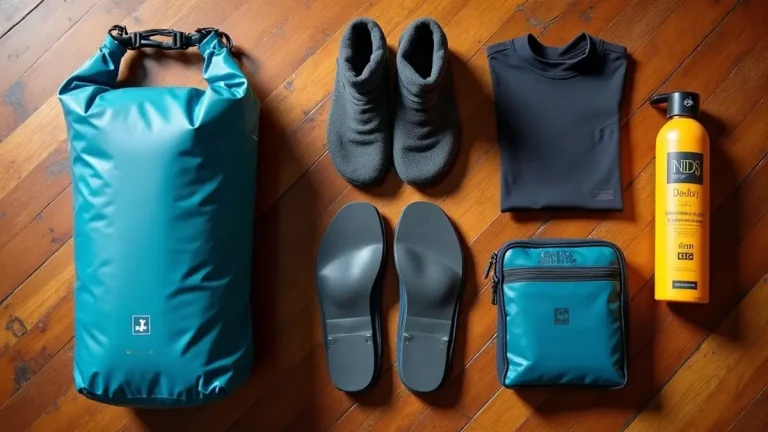
Most Mentawai surf breaks are shallow coral reefs, and reef cuts are the most common injury among visitors. In hot, humid conditions they can become infected quickly. Rinse every cut thoroughly with clean fresh water, remove any visible coral fragments, apply antiseptic and keep it covered. Check it daily. Get medical help for spreading redness, swelling, pus, red streaks, fever or a deep wound. Reef boots and a long-sleeve rash vest reduce exposure. Our guide to the Mentawai water temperature covers what to wear in the water, and the Mentawai surf spots map shows which breaks sit over especially shallow reef.
Reducing reef injuries if you are an average surfer
Most reef injuries happen to competent surfers who misjudge a shallow section, a low tide or a crowded take-off, not to experts on giant days. A few habits lower the risk considerably:
- Ask your guide where to paddle out and, just as important, where to come in, before your first session at each break.
- Avoid the shallowest breaks at low tide until you have watched them at that stage of the tide.
- Use a strong leash, and if you fall, go flat and shallow rather than diving.
- Wear reef boots for walking on reef and consider a helmet at fast, shallow waves.
- In crowded line-ups, sit wide of the peak rather than chasing set waves you are not sure of.
Guided camps and charters usually carry a first-aid kit and a plan for getting an injured guest to Tuapejat or Padang. Ask what that plan is before you book.
Sun and heat
The equatorial sun and hours in the water make sunburn and dehydration common. Use mineral sunscreen, cover up between sessions, and drink more water than you think you need.
Seasickness and boat safety
The crossing from Padang is open ocean. Take seasickness medication before departure if you are prone to it. On small boats, wear the lifejacket provided and keep valuables and medication in a waterproof bag.
Food and water
Drink bottled, filtered or properly boiled water, and use it for brushing teeth on remote islands. Camps and resorts usually provide safe drinking water; ask if unsure. Freshly cooked food is generally the safest choice. Pack oral rehydration salts in case of stomach upsets, which are common in the first days of any trip.
Medical facilities and evacuation
Healthcare on the islands is basic. The regency’s public hospital is at Tuapejat on Sipora, and smaller health centres serve other districts, but diagnostic equipment, specialist care and medicines are limited. Serious illness or injury normally means transfer to Padang, and that depends on weather, boats and aircraft. It can take many hours.
Travel insurance that explicitly covers medical evacuation from remote islands, repatriation, and your activities such as surfing or trekking is essential. Read the policy wording carefully. A reputable Mentawai islands tour operator should be able to explain its emergency plan, including how it would get you to Padang.
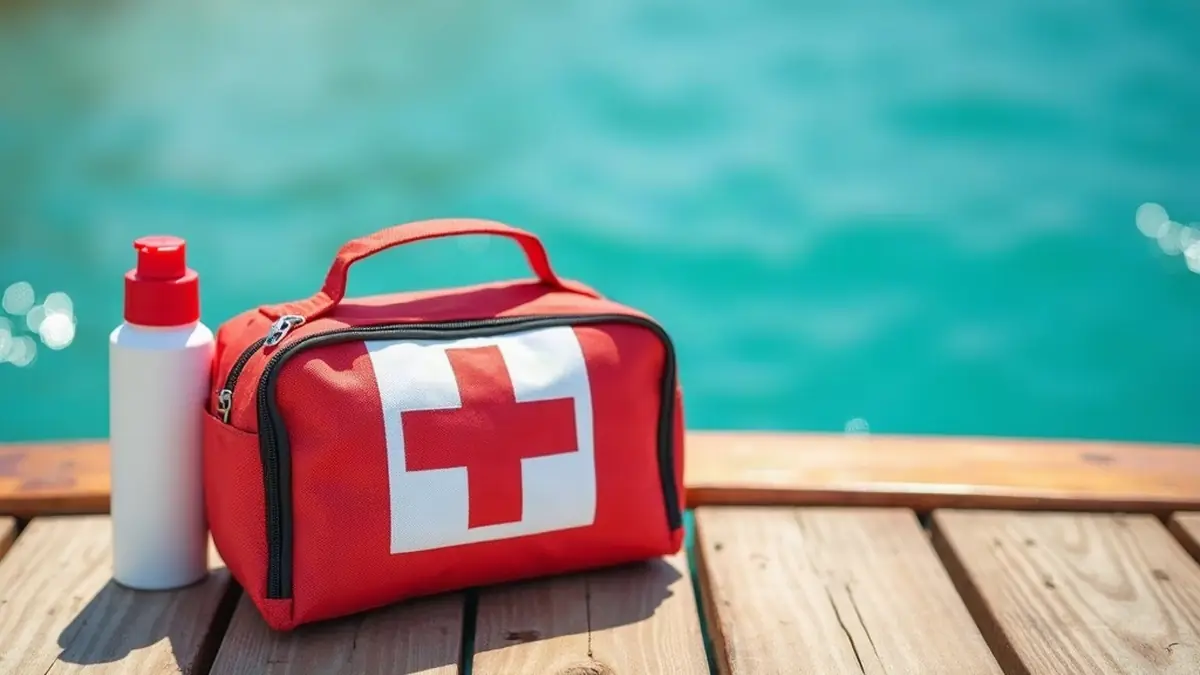
A Mentawai first-aid kit
- Antiseptic, sterile dressings, waterproof tape and wound closure strips.
- Oral rehydration salts, antidiarrhoeal tablets and painkillers.
- Seasickness tablets, antihistamines and insect repellent.
- Any prescribed medication, with copies of prescriptions.
- A course of antibiotics if your doctor recommends one for remote travel.
- A thermometer and a small pair of tweezers.
Quick facts
- See a travel clinic 6 to 8 weeks before departure.
- Common vaccines: routine plus hepatitis A and B; typhoid and rabies often considered.
- Malaria: CDC lists rural Sumatra as a risk area; ask about prevention.
- Most common injury: reef cuts.
- Main hospital: Tuapejat, Sipora; serious cases go to Padang.
- Insurance: must cover remote medical evacuation and surfing.
Frequently asked questions
What vaccinations do I need for the Mentawai Islands?
Most travelers are advised to be up to date with routine vaccines and to get hepatitis A, and often hepatitis B. Typhoid, rabies and Japanese encephalitis may be added depending on your trip. A travel clinic will confirm.
Is there malaria in the Mentawai Islands?
The CDC lists rural Sumatra, which includes the Mentawai Islands, as an area with malaria risk. Discuss prevention with a clinician and avoid mosquito bites.
Are there hospitals in the Mentawai Islands?
There is a public hospital in Tuapejat on Sipora and smaller health centres elsewhere. Facilities are basic, and serious cases are transferred to Padang.
How do I treat a reef cut in the Mentawais?
Rinse with clean fresh water, remove debris, apply antiseptic and cover it. Check it daily and seek care if it becomes red, swollen or painful, or if you develop a fever.
Do I need special travel insurance for the Mentawai Islands?
Yes. Choose cover that includes medical evacuation from remote islands and your planned activities, such as surfing.
Are the Mentawai Islands safe for average surfers from a health point of view?
Generally yes, if you choose waves that suit your level, surf with a guide and treat every reef cut promptly. The bigger risk is distance from advanced medical care, which is why evacuation cover matters.
Plan a safe trip
We can help you choose operators with clear safety plans and suitable itineraries for your Mentawai island tour. WhatsApp +62 811 3941 4563 or email bd@juaraholding.com.