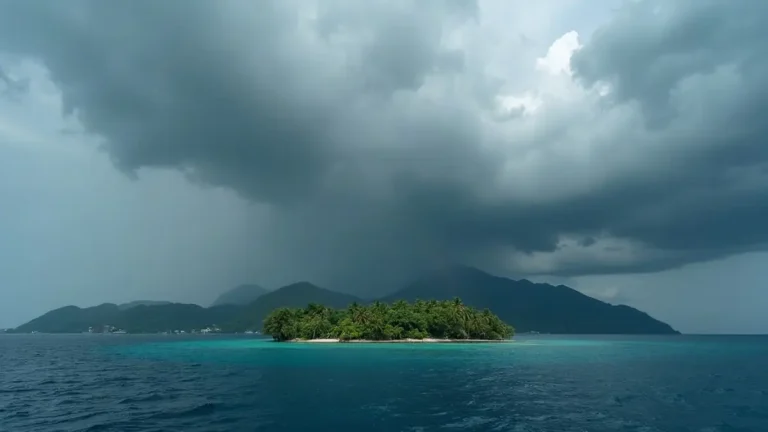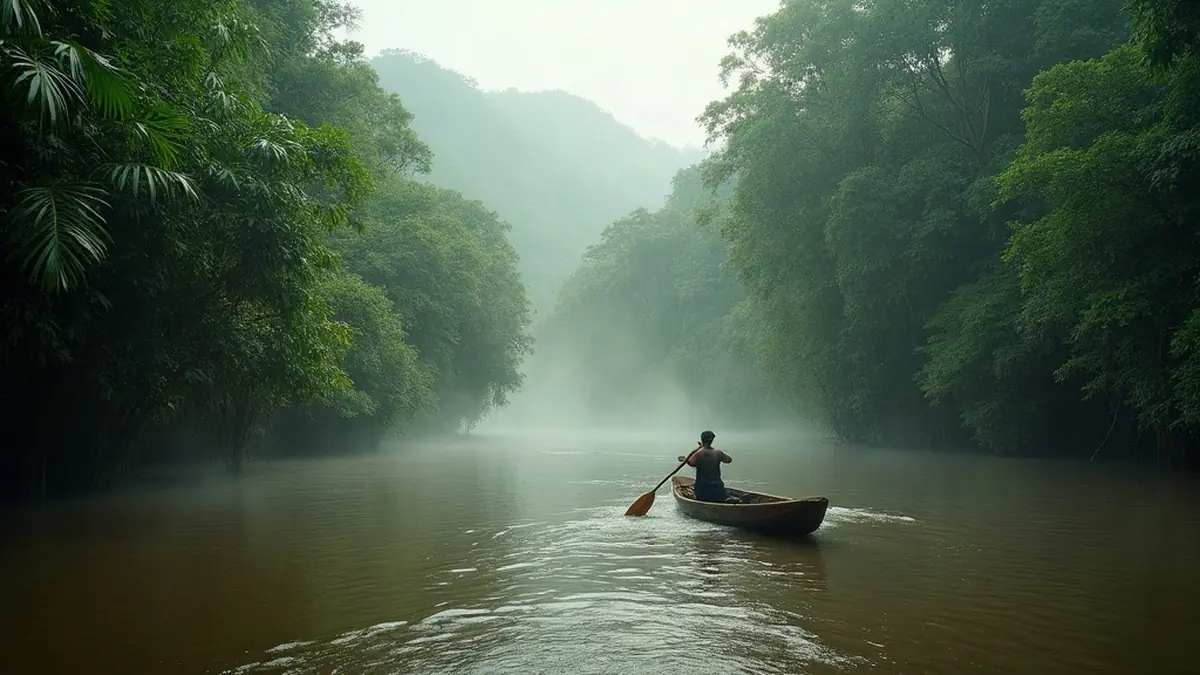
A Mentawai Islands itinerary without surfing works best over 8 to 10 days. Spend four or five days on a guided Siberut rainforest trek with a Mentawai family, then three or four days on Sipora for beaches, snorkelling and island hopping. Build the plan around the ferry days from Padang, and keep a buffer night at each end.
Planning this? Send the travel desk your dates and group size for practical next steps.
Ask on WhatsAppThe Mentawai Islands are famous for waves, but surfers are only part of the story. Siberut, the largest island, holds one of the richest rainforests in western Indonesia and the clans who still live in traditional uma longhouses, practise titi tattooing and follow the Arat Sabulungan belief system. Sipora has calm bays, small white-sand islands and easy snorkelling. You can have a full, varied trip without ever paddling out.
This guide lays out a practical Mentawai Islands itinerary without surfing, day by day, built around the real ferry timetable. It also gives shorter and longer versions, and the questions to ask an operator before you book.
Why plan a Mentawai Islands itinerary without surfing?
Most published Mentawai itineraries assume you are chasing swell, which means long boat runs to reef breaks and days organised around tides. A non-surfing trip has different priorities: culture, forest, wildlife, beaches and rest. The UNESCO-recognised Siberut Biosphere Reserve, designated in 1981, and Siberut National Park, established in 1993, protect much of that forest. The islands are home to primates found nowhere else, including Kloss’s gibbon, the Mentawai macaque, the Mentawai leaf monkey and the pig-tailed snub-nosed monkey. Sightings are never guaranteed, but the forest itself is the experience.
Sample 10-day itinerary without surfing
This plan is based on the October 2026 fast ferry timetable, which ran from Padang to Siberut (Maileppet) on Thursday and to Tuapejat on Sipora on Wednesday, Friday and Sunday. Timetables change, so treat the weekdays as an example and adjust them to the current schedule.
| Day | Where | What happens |
|---|---|---|
| 1 (Wednesday) | Padang | Arrive at Minangkabau Airport, overnight near Muaro Padang harbour |
| 2 (Thursday) | Padang to Siberut | 07:00 fast ferry to Maileppet, meet your guide, river trip inland |
| 3 to 6 | Siberut interior | Jungle trek, stay with a Mentawai family, sago and craft activities |
| 7 | Siberut to Sipora | Inter-island crossing to Tuapejat by ASDP ferry or arranged speedboat |
| 8 to 9 | Sipora | Beaches, snorkelling, small islands, village visits |
| 10 (Friday) | Sipora to Padang | Afternoon fast ferry back to Padang, overnight before your flight |
Days 1 and 2: Padang and the crossing to Siberut
Fly into Padang and spend the night near the river harbour. The fast ferry to Siberut leaves early and lands at Maileppet, close to Muara Siberut, the main town in the south of the island. Your guide normally meets you at the port, and the first afternoon is usually spent travelling upriver by motorised dugout towards the interior villages.
Days 3 to 6: the Siberut rainforest
Guided treks commonly run from three to eight days. Four or five days is a good balance for most people. Routes often pass through or near villages such as Madobag, Ugai and Butui, though every guide has their own network of families. Expect muddy trails, river crossings, simple food and basic sleeping arrangements, often on the wooden floor of an uma. Activities depend on your hosts and may include making sago, which is the staple food, fishing, collecting forest plants, or watching traditional crafts. Our Mentawai sago making experience page describes one of the most memorable of these days.
You may meet a sikerei, a ritual healer, but ceremonies are part of real community life and are not staged for visitors. Your guide will explain what is appropriate to photograph and when to give space.
Day 7: from Siberut to Sipora
The public fast ferry runs between Padang and each island rather than between islands. In October 2026 the ASDP car ferry ran an inter-island service between Tuapejat and Siberut on Tuesdays, which is one option. A speedboat arranged by your operator is faster and more flexible but costs more and depends on sea conditions. If the crossing does not line up, return to Padang and take the next ferry to Tuapejat instead.
Days 8 and 9: Sipora’s beaches and islands
Sipora suits slower days. Mapaddegat Beach near Tuapejat is easy for swimming and shallow snorkelling. Short boat trips reach small islands with clear water, and some operators run mangrove trips. Visibility is usually best in the calmer months, around May to September. Our Sipora island tour page outlines what a few days on the island can include.
Day 10: back to Padang
The fast ferry leaves Tuapejat in the early afternoon and reaches Padang in the late afternoon or early evening. That is too late for most flights, so book a final night in Padang and fly out the next morning.
Shorter and longer versions
- 5 to 6 days: focus on one island. Either a three-day Siberut trek with nights in Padang either side, or a relaxed Sipora beach stay between two ferry days.
- 7 days: a four-day Siberut trek plus travel days, returning to Padang from Siberut.
- 12 to 14 days: a longer, more remote trek of six to eight days, then Sipora, with spare days for weather.
For a version with surfing, or a mix of surfers and non-surfers in one group, see our full Mentawai islands tour itinerary.
Rivers, mangroves and the coast
Not every non-surfing day has to be a jungle trek. Siberut’s rivers are its roads, and travelling by motorised dugout between villages is an experience in its own right, with kingfishers, hornbills and riverside gardens of sago, banana and taro. Around the estuaries and sheltered bays, some hosts and guesthouses can arrange a quiet paddle by canoe or kayak through the mangroves, where the water is calm and the birdlife is easy to see. On Sipora, the rhythm is coastal: small sandy islets off Tuapejat, snorkelling over shallow reef and long, empty beaches at low tide. Treat equipment and safety cover as something to confirm locally rather than assume.
Fitness and comfort on a Siberut trek
A Siberut trek is not a technical hike, but it is demanding in a different way. Trails are narrow, roots and logs are slippery, and you may cross rivers and walk through mud that reaches the shin. Days are hot and humid, and nights in a longhouse mean a mat on a wooden floor under a mosquito net. Anyone with reasonable fitness who is happy to be wet and muddy for several days will cope. Guides can shorten walking days, use more river travel and choose villages closer to Muara Siberut for travellers who want a gentler version. Be honest with your guide about knees, heat tolerance and any medical conditions.
Visiting Mentawai communities respectfully
- Arrange every village visit through a guide who has a real relationship with the family, and agree practical gifts in advance.
- Ask before photographing people, rituals or tattooing, and accept a no.
- Join daily work such as fishing or sago processing when invited, rather than expecting a performance.
- Dress modestly in villages, carry your rubbish out and avoid single-use plastic.
- Remember that ceremonies follow the community’s calendar, not a tour schedule.
What to ask before you book a trek
- Exactly what the price includes: boats, meals, guide, porter, village stay and national park permits.
- Which port you will arrive at, since Maileppet and Sikabaluan are hours apart.
- How difficult the walking is, and whether the route can change after heavy rain.
- How the host families are paid and how the guide supports the community.
- What happens if the ferry is cancelled on your return day.
Quick facts
- Ideal length: 8 to 10 days including Padang nights.
- Main experiences: Siberut rainforest and culture, Sipora beaches and snorkelling.
- Typical guided trek length: 3 to 8 days.
- Siberut Biosphere Reserve (UNESCO): 1981. Siberut National Park: 1993.
- Fitness needed: moderate; trails are muddy and humid.
Frequently asked questions
Are the Mentawai Islands worth visiting if you don’t surf?
Yes. Siberut’s rainforest and Mentawai culture are the main draws for non-surfers, and Sipora adds beaches and snorkelling. It is a trip for travelers who enjoy remote places and simple comforts.
How hard is a Siberut jungle trek?
Moderate. Expect heat, humidity, mud, river crossings and long walks on uneven ground. You do not need to be an athlete, but you should be comfortable walking several hours a day.
Can families do a Mentawai itinerary without surfing?
Yes, with a gentler trek or a village stay closer to the river, and more time on Sipora’s beaches. Discuss children’s ages with your operator before booking.
What is the best time for a non-surfing Mentawai trip?
The less rainy months, roughly May to August, make trails and boat transfers easier. The wetter months from November to March bring more mud and more ferry delays.
Can I combine a non-surfing itinerary with a partner who surfs?
Yes. A common pattern is a few days on Siberut together, then a stay on Sipora where one person surfs while the other snorkels, walks and takes boat days. Choose accommodation that offers activities beyond surf.
Do I need a permit to trek on Siberut?
Forest treks require permission linked to Siberut National Park, normally arranged by your guide. Ask whether the permit is included in the price.
Plan your non-surfing trip
Share your dates, fitness level and interests, and we will help you shape a Mentawai itinerary without surfing and connect you with trusted local guides for your Mentawai islands tour. WhatsApp +62 811 3941 4563 or email bd@juaraholding.com.